

16 Nov A Must-Have for Aged Cheeses: What You Need for a Perfect Cheese Cave
Food safety and storage has never been more important. Thousands of restaurants and pubs have closed their doors due to the Coronavirus pandemic.
The lucky ones that are still standing must now guarantee the health and safety of both their customers and their products.
Is cheese a staple item on your menu? If so, you need a quality cheese cave to ensure you serve only the best, freshest products.
Grab a glass of wine and let’s explore proper cheese storage including temperature and humidity control.
What is a Cheese Cave?
Storing gourmet, delicious cheese in a normal refrigerator just won’t cut it. If you want to deliver quality products and service, your establishment needs a cheese cave.
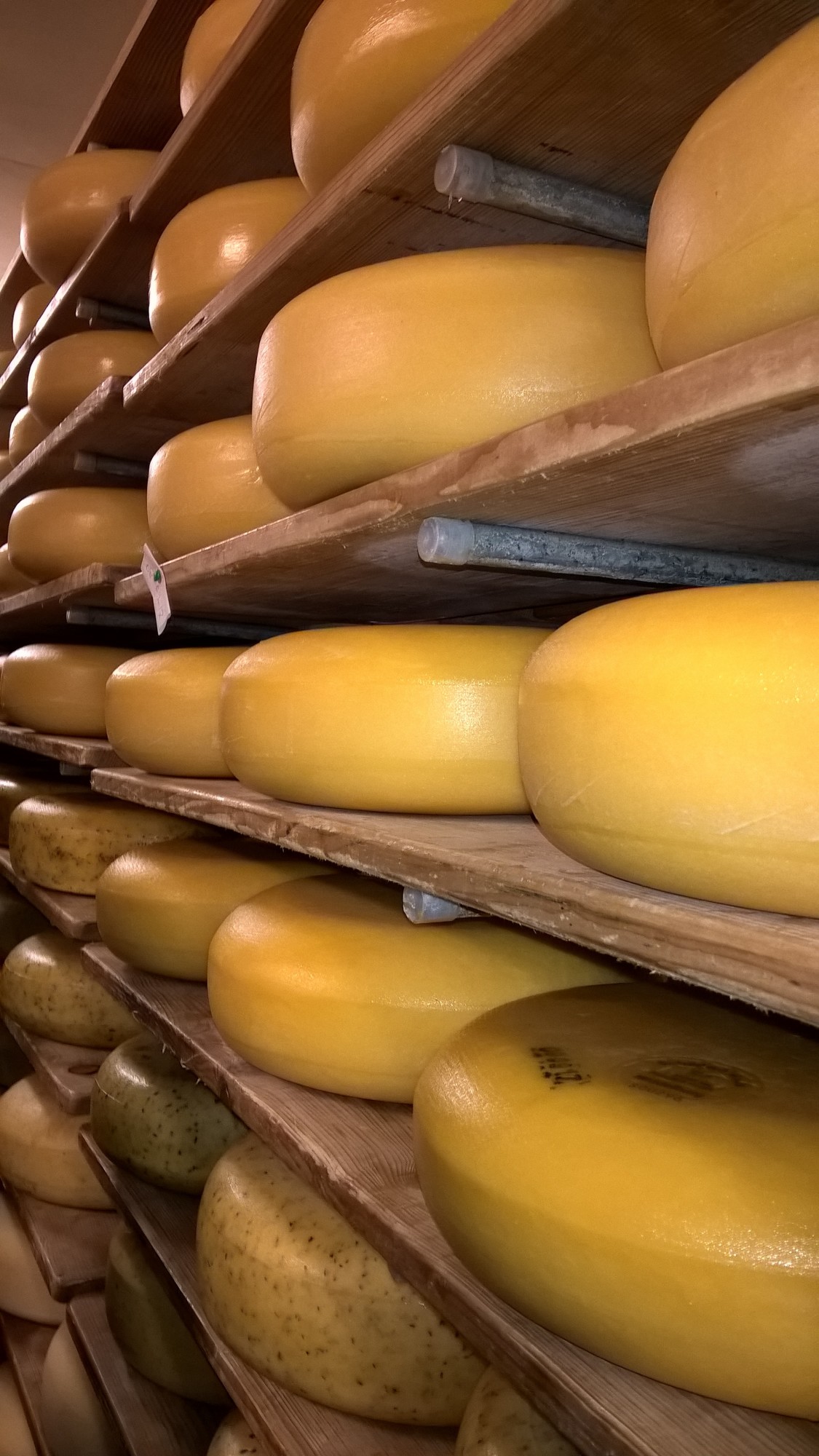
A cheese cave not only helps you store cheese. The temperature and humidity controls create the ideal environment for ageing and preserving.
Some cheese caves are actually caves or rooms built underground or on hillsides. More commonly, they’re temperature controlled rooms or walk-in coolers.
Most cheese caves are built using wooden boards, a method that’s been used for hundreds of years. Wood is absorbent. This helps maintain proper humidity and allows the cheese to mature properly.
Another bonus is that wood shelves are easy to clean and sanitise. This is especially important for conducting business during the Coronavirus pandemic.
The Importance of Cheese Storage Temperature
There are two important factors that every quality cheese cave must have — temperature and humidity control.
When it comes to temperature, the right ageing environment is between 45 and 60 degrees Fahrenheit. The coolness allows you to control how quickly the cheese ripens.
The warmth is the perfect atmosphere for bacteria, mould, and yeast to naturally develop. The major difference between the temperature in a cheese cave and a normal refrigerator is that traditional refrigerators are much colder — an average of 40 degrees Fahrenheit or below.
Other factors to consider are the climate and time of year. It’s important to keep your cheese cave at a consistent temperature. Fluctuation can cause unhealthy conditions and damage your products.
Cheese Cave Humidity Control
The only thing as important as the temperature in your cheese cave is the humidity. Most cheese requires high humidity levels to age properly.
Use a hygrometer to create a room that’s between 75% – 99% humidity. The temperature of the space will determine the humidity levels.
If you’re having a hard time maintaining humidity levels and capturing moisture, you can vacuum seal the plastic or wax the exterior of the cheese. Without the right moisture levels, the cheese can crack and harden, turning into an inedible rock.
Running humidifiers or adding water to the cheese cave can also help create high levels of humidity needed for proper ageing and preservation.
Traditional cheese caves had clay floors that absorbed added water. As the water evaporated, it would also help to cool and humidify the room.
Maintaining these proper levels creates lively, tasty, and safe cheese products.
Create a Safe and Delicious Experience
Whether you’re storing or making perfectly aged and delicious cheese, creating the perfect environment is a must. Investing in a quality cheese cave means delivering tasty and healthy products.
The recent Covid-19 pandemic has been crushing for many small businesses, restaurants, and pubs. Which is why your quality of service has never been more important.
Let us help you store and display your products in the best and safest way possible. Check out some of our recent work here or contact us with additional questions.


